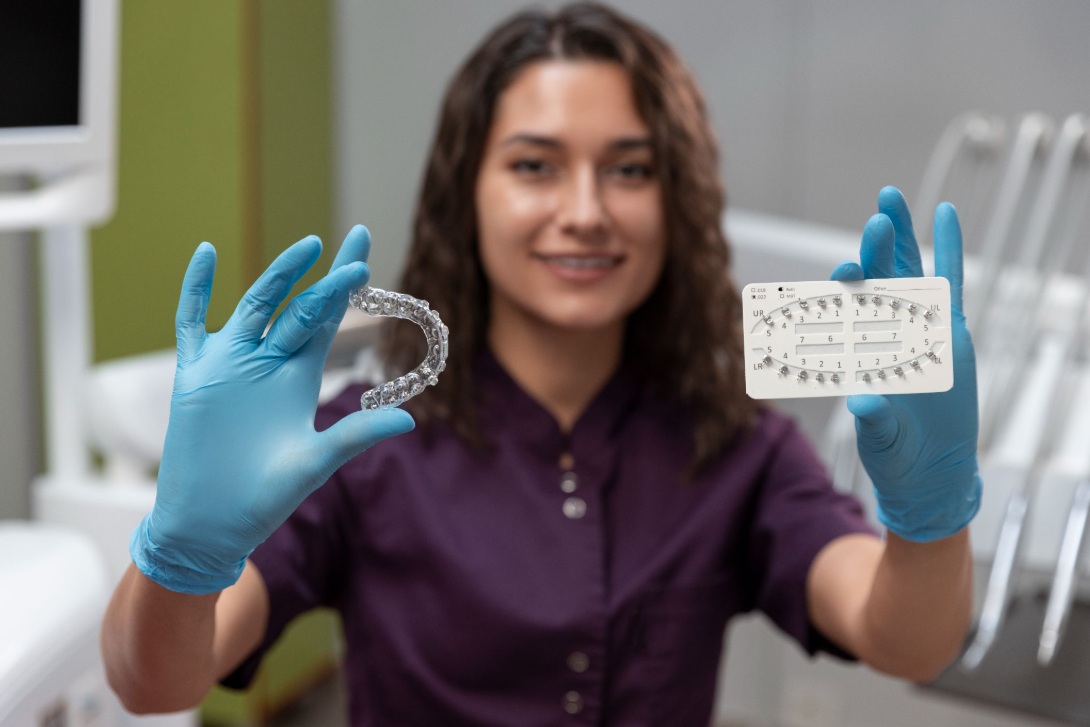
Invisalign can take a few months for minor corrections, while complex cases may take 12 to 18 months or longer. Your dentist can confirm a more accurate timeline after assessment.
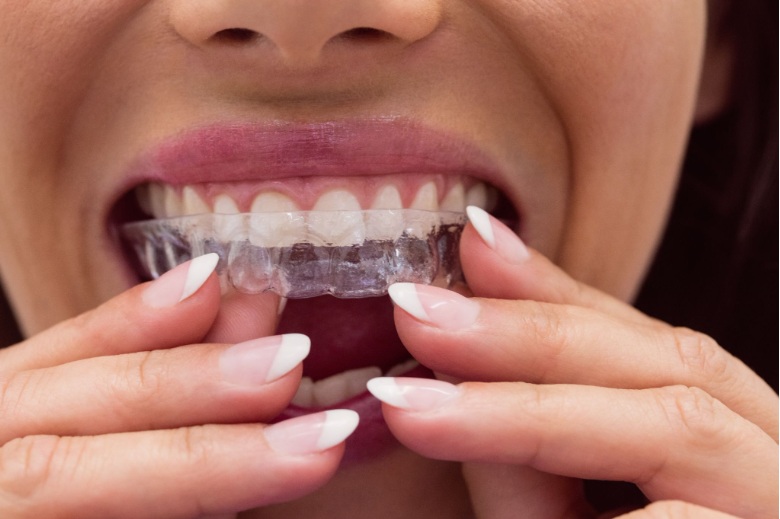
Wondering how long does Invisalign take? Treatment can range from a few months to 12 to 18 months or longer, depending on how much tooth movement your case needs. Minor corrections can finish sooner than complex cases. Your daily aligner wear also matters. Regular reviews help keep treatment moving as planned. A dentist can give you a more realistic timeline after assessing your teeth and bite.
Key Takeaways
- Minor corrections can take only a few months.
- Complex cases can take 12 to 18 months or longer.
- Wearing aligners as prescribed helps maintain treatment progress.
- Refinements can add extra time before treatment finishes.
What Does “How Long Does Invisalign Take” Actually Mean?
“How long does Invisalign take?” refers to the length of your active treatment, not the time spent in the dental chair during each appointment.
Active treatment is the period when you wear a planned series of aligners to move your teeth into their intended positions. Each aligner makes a small adjustment before you move on to the next one.
Appointments themselves are much shorter than the overall treatment period. Their purpose is to monitor progress, check how your teeth are responding and make changes when needed.
Once the active phase finishes, you also move into retention. That stage helps keep your teeth in their new positions.
How Long Does Invisalign Take by Treatment Type?
Invisalign is offered through different treatment options designed for different levels of tooth movement. A lighter case can therefore finish far sooner than treatment involving significant crowding or more complex movements.
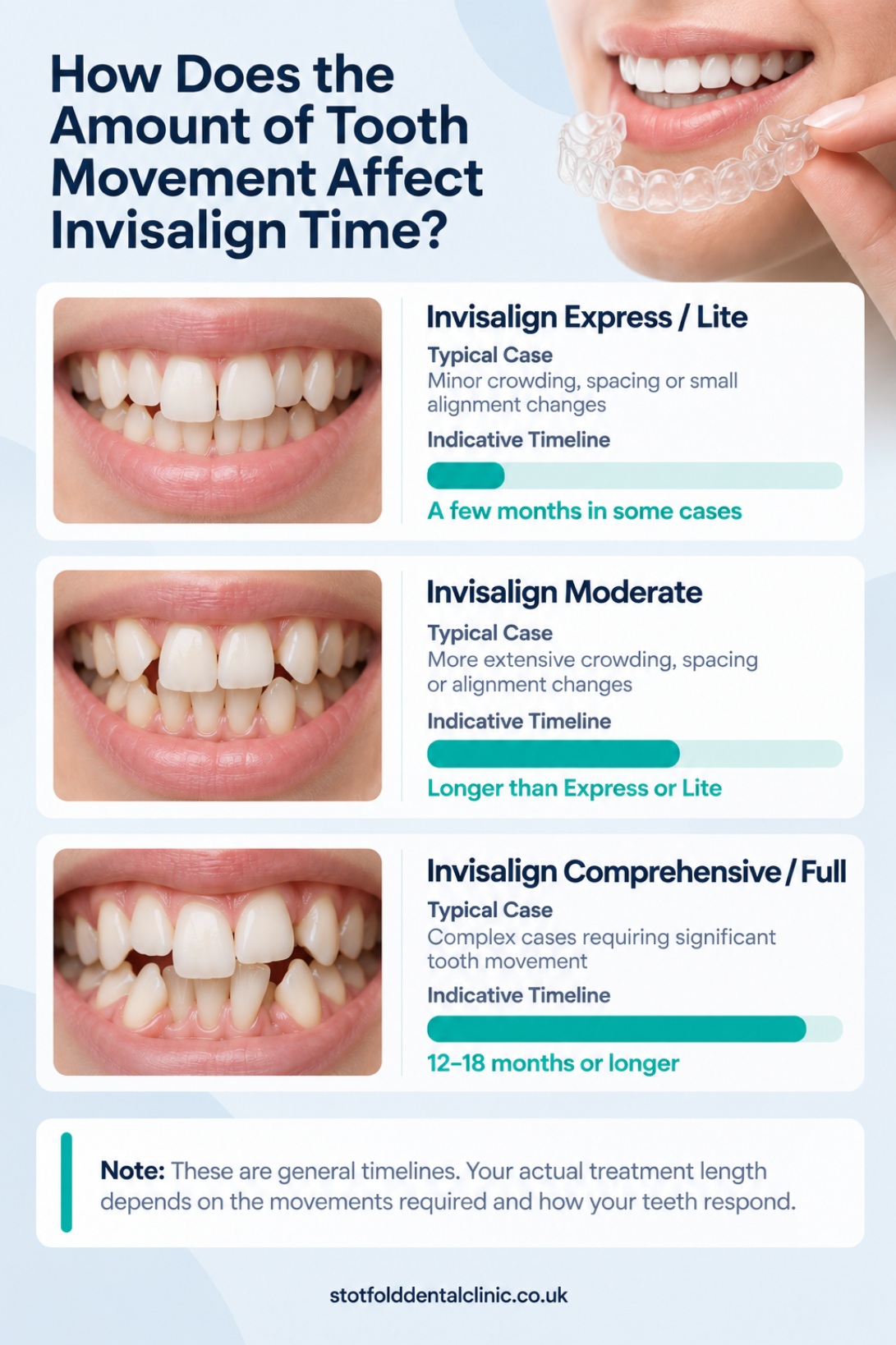
Invisalign Express/Lite (Minor Corrections)
Invisalign Express and Lite are designed for minor alignment problems. They can suit small amounts of crowding, spacing or tooth movement.
Because the changes are limited, treatment is usually shorter than Comprehensive or Full Invisalign. It can take just a few months in some cases. The exact timeline still depends on the movements needed and how your teeth respond during treatment.
Invisalign Moderate
Invisalign Moderate is designed for cases that need more tooth movement than Express or Lite. It can suit moderate crowding, spacing or alignment problems.
Treatment usually takes longer because more movement is involved. The number of aligners also depends on the specific changes needed for your teeth.
Invisalign Comprehensive/Full
Invisalign Comprehensive or Full is designed for more complex orthodontic cases. Treatment can therefore take 12 months or longer.
A 2025 randomised controlled trial studied 120 patients with mild to moderate malocclusions. The clear aligner group had an average treatment time of 18.2 months. The clinical research comparing clear aligner and fixed appliance treatment duration found this was longer than the 14.5 month average for fixed appliances.
This 18.2 month figure is an average from one study. It should not be treated as a fixed Invisalign timeline for every patient.
When Will You Start Noticing Changes?
You may start noticing small changes within the first few weeks or couple of months of Invisalign treatment. Early movement can be subtle, particularly when only a small number of teeth are being corrected.
Some changes become easier to see as more aligners are completed. The speed also varies between patients, so an early change should not be treated as a prediction of the final result.
Your dentist can give you a better idea of what to expect once your teeth have been assessed and the treatment plan has been created.
What Affects How Long Invisalign Takes?
There is no single Invisalign timeline because several factors can change how quickly treatment progresses. Your starting position matters, but your day to day habits and review schedule can also affect the overall course.
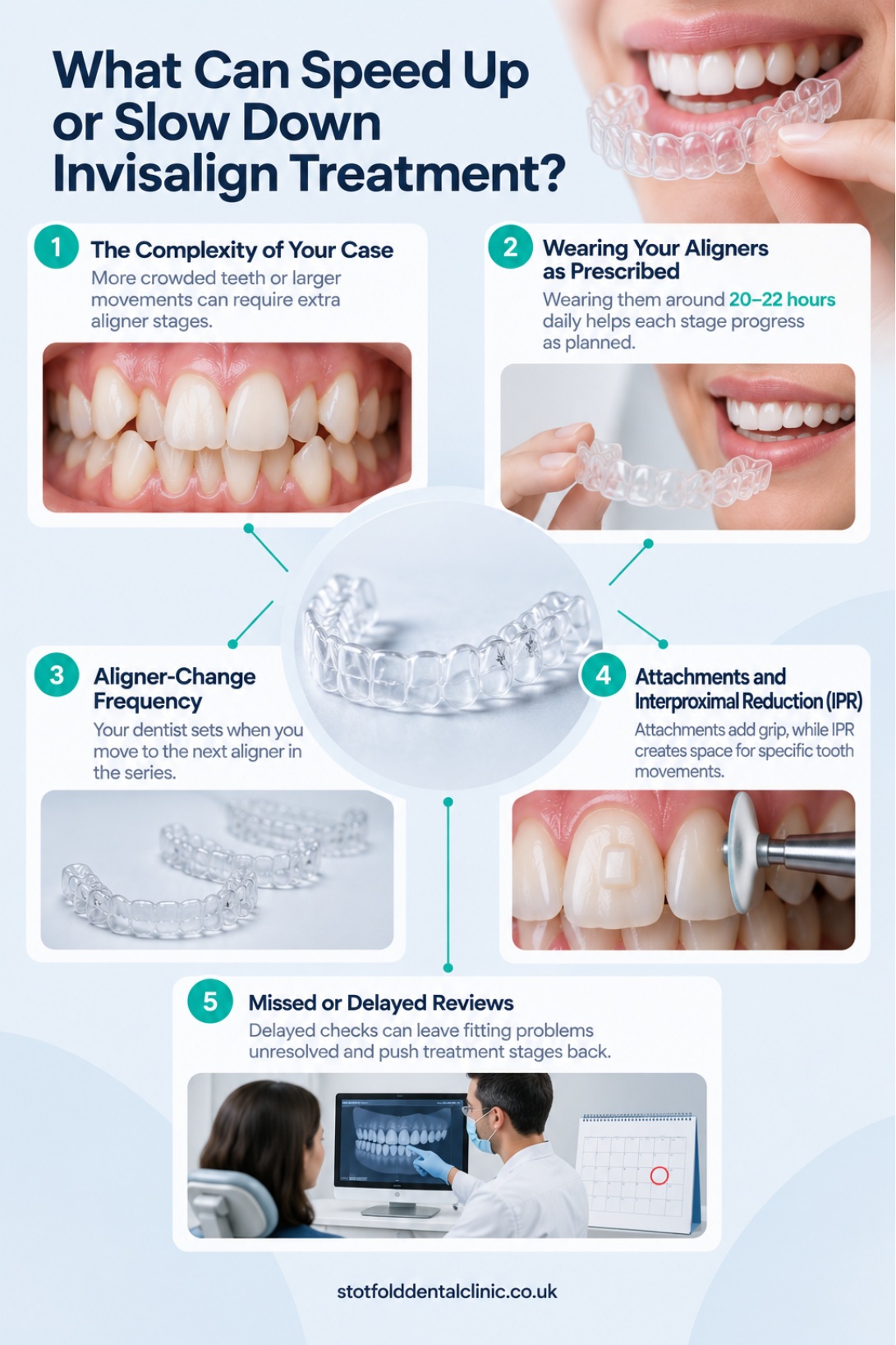
The Complexity of Your Case
The complexity of your case can have a big effect on treatment time. Mild crowding may need fewer aligners. More severe crowding or larger tooth movements can require extra stages.
A systematic review of clear aligner treatment duration in crowding cases compared treatment times across clinical studies. The findings show why there is no single treatment time that applies to every clear aligner case.
Your starting position therefore matters. The more tooth movement required, the longer treatment may take.
Wearing Your Aligners as Prescribed
You normally need to wear your aligners for around 20 to 22 hours each day. They need regular daily wear so each stage can move the teeth as planned.
Taking them out for long periods can slow progress. That can then push later stages back, extending the overall treatment time.
Aligner-Change Frequency
Your dentist will tell you when to move on to the next aligner. A weekly change is common, although some treatment plans use a different schedule.
A UK survey of British Orthodontic Society members found that weekly changes were the most common approach among respondents. Some orthodontists used 10 day intervals, while others adjusted the schedule based on remote monitoring.
The schedule is therefore not the same for everyone. Your dentist will set it based on your treatment plan and progress.
Attachments and Interproximal Reduction (IPR)
Some teeth need small tooth coloured attachments to help an aligner apply the right force. Interproximal reduction, known as IPR, can also create a small amount of space between teeth where needed.
These steps do not automatically make treatment longer. They are tools used to carry out particular movements, so their effect on timing depends on the treatment plan.
Missed or Delayed Reviews
Regular reviews allow your dentist to check progress and deal with problems before they affect later stages. Missing appointments can delay those checks and leave issues unresolved for longer.
That can make the treatment process less efficient, particularly if an aligner is no longer fitting as expected.
What Are Refinements and Do They Extend Treatment
Yes, refinements can add extra time, but they are also a normal part of many Invisalign treatment plans.
Refinements are additional aligners used after the original series to make smaller adjustments. Teeth do not always move exactly as predicted, so further stages can be needed to fine tune the final result.
The extra time depends on how much additional movement is required. A small refinement series may be relatively short, while several further stages can extend active treatment for longer.
What Can Go Wrong and Why Timelines Can Change
Treatment timelines can change when progress does not follow the original plan. Problems can include relapse, poor retainer compliance or uncertainty around ongoing care when treatment is transferred between providers.
The GDC analysis of clear aligner treatment complaints reviewed concerns involving different orthodontic appliances, including 77 cases relating to Invisalign. It also identified issues around relapse, retainer compliance and responsibility for continuing care.
These problems can affect the practical timeline beyond the original treatment estimate. Early communication matters when something is not progressing as expected.
Why a Proper Assessment Matters Before Starting Treatment
Yes, a proper assessment is needed to give you a realistic Invisalign timeline. Your teeth, bite and planned movements all affect how long treatment may take. An online estimate cannot assess these factors accurately.
The British Orthodontic Society recommends seeking an opinion from a registered orthodontic specialist before starting clear aligner treatment. Its UK professional body guidance on clear aligner assessment also explains the need for proper assessment and retainers after treatment.
That assessment gives you a clearer idea of the treatment involved and the likely timescale. At Stotfold Dental Clinic, our Invisalign treatment includes dentist led assessment and digital treatment planning, helping create a timeline based on your individual needs.
FAQs
How long does Invisalign take on average?
Treatment can last a few months for minor corrections or 12 to 18 months or longer for complex cases.
How quickly will I see results with Invisalign?
Some patients notice early movement within weeks, although visible changes vary from person to person.
Does Invisalign take longer than traditional braces?
It can. Treatment duration depends on the case, and clinical research has found longer average times in some aligner cases.
Can not wearing my aligners enough make treatment take longer?
Yes. Inconsistent wear can prevent each aligner stage from working as planned and extend active treatment.
Do I need to wear a retainer after Invisalign finishes?
Yes. Retainers help keep your teeth in their new positions after active treatment ends.
Conclusion
Invisalign can take a few months for minor corrections or 12 to 18 months or longer for complex cases. Your case complexity, aligner wear and review attendance all affect the timeline. A professional assessment gives you a realistic estimate based on your teeth and treatment needs. Book a free consultation to get a personalised treatment timeline.
This article is for general information only and is not a substitute for professional dental advice. Invisalign treatment times vary depending on your teeth, bite and treatment needs. A dentist or orthodontic professional can assess your case and provide a more accurate treatment timeline.